
55-Gallon Drum Setup (2025): Safe Bulk Storage for Households
When it comes to long-term water security, the 55-Gallon Drum and our article 55 Gallon Drum Setup (2025): Safe Bulk Storage for Households remains the cornerstone of serious preparedness. Few storage methods can match the stability, affordability per gallon, and sheer capacity of a full-size drum. Each one holding enough drinking water to carry a family through a week-long outage. Yet behind that quiet blue cylinder lies real weight and responsibility: nearly 460 pounds of potential stress on floors, seals, and sanitation habits. This guide walks you through the modern, standards-based approach to bulk storage: how to place, fill, disinfect, and rotate your drums using CDC and EPA guidance so your reserve stays safe, drinkable, and ready when the tap runs dry.
This article supports the Praeparium Emergency Water Preparedness Series, including Emergency Water Preparedness , PFAS & Lead Filters, Best Stackable Water Cubes, 55-Gallon Drum Setup, and Bathtub Water Bladders.
Affiliate Disclosure: Praeparium participates in affiliate programs from retailers such as Amazon and Walmart. We may earn a small commission if you purchase through links at no cost to you. Recommendations are evidence-based and standards-verified, never pay-to-place.
- Bulk capacity : Cover 2–4 weeks with fewer containers
- Floor safety: Prevent structural stress with smart placement
- Fill & sanitize: How to prepare the Drum
- Transfer & use: Reliable pumps and clean first-draw
- Rotation plan: Simple labels that keep water fresh
- Our top picks: Emergency Water Storage Drums
- Setup essentials: What to buy and why
- Risks & caveats: Know what drums can’t do
- Decision framework: How to fit drums into your water ladder
- Check out our Water Prepping Series
- Frequently Asked Questions: Clear Up Common Water Storage Mistakes
- Editorial Approach — Why you can trust our guidance
- Other Prepping Topics by Praeparium
- Sources
Bulk capacity : Cover 2–4 weeks with fewer containers
Imagine stepping into the garage during a boil-water notice and seeing the quiet assurance of sealed blue drums lined along the wall. A single 55-gallon unit holds roughly seven days for four people at the FEMA / CDC minimum of one gallon per person per day (FEMA 2024, CDC 2025). Many households choose to double that allowance so they can cook, wash, and rinse without rationing; at two gallons per person, that same drum carries the family for three to four days (WHO 2024, CDC 2025). Check out our Emergency Water Preparedness (2025) article for an overview of water prepping and the amount of stored water you need.
The 55-gallon drum is the gold standard for efficient, long-term water storage. It offers the lowest cost per gallon, often cutting the price in half compared to smaller options over time. While its size makes it a stationary solution, it perfectly complements portable containers for a complete preparedness system. Consider it a wise, long-term investment that smartly maximizes your storage space.
Floor safety: Prevent structural stress with smart placement
For apartment living or upper floors, a 55-gallon water drum requires careful consideration due to its significant weight. Since most residential floors aren’t designed for such a concentrated load, the safest placement is always on a ground-level concrete slab, like in a garage or basement.
If an upstairs location is your only option, we recommend exploring space-saving stackable water cubes as a fantastic alternative. If you proceed with a drum, ensure you build a sturdy platform to distribute the weight across multiple floor joists and position it near a load-bearing wall. A quick consultation with a structural engineer can provide peace of mind and is a small investment compared to potential structural repairs.
Check out Best Stackable Water Cubes for Small Spaces (2025) if you think Water Cubes might be right for your space
Fill & sanitize: How to prepare the Drum
There’s a clean, faintly chlorinated smell when you do this correctly.
Before first fill, sanitize the interior of the drum using one teaspoon of unscented 5–9 % bleach per quart of water, slosh to coat, then rinse thoroughly. If you are on municipal tap water then use that as it already meets drinking standards. If you draw from a well or uncertain supply, disinfect as you fill: 8 drops of 6 % bleach or 6 drops of 8.25 %, wait at least 30 minutes (EPA 2025). Label the fill and rotation dates. Store your drums in a cool, dark place, and far from any fuel or pesticide fumes.
The chemistry is forgiving but not infinite. Bleach slowly decays, so even sealed water benefits from periodic refresh. We recommend keeping small tote beside the drums containing a funnel, spare bung gaskets, and a laminated bleach-dosage chart.
Check out Emergency Water Treatment (2025): Boil, Bleach, Tablets, Filters — When to Use Each.
Transfer & use: Reliable pumps and clean first-draw
While a 55-gallon drum is a stationary reservoir, accessing your water is still simple and safe with the right tools. The key is a dedicated drinking-water hand pump or siphon, explicitly rated for potable use (look for FDA 21 CFR 177 compliance). This ensures no harmful lubricants contaminate your supply. A pro tip is to position the intake tube an inch above the drum’s bottom, leaving any settled sediment behind.
For daily use, the most efficient method is to periodically transfer water from your main drum into portable 7-gallon cubes. These smaller containers are perfect for kitchen tasks, and are easy for more family members to carry safely. This system keeps your large reserve sealed and pure while making everyday access convenient. Check out our article Best Stackable Water Cubes for Small Spaces (2025) for advice and our picks.
Think of a quality pump not as an extra cost, but as a valuable investment. It transforms your sturdy drum into a reliable, on-demand water source, combining the economy of bulk storage with the practicality of a tap.
While a good pump adds cost, it eliminates back-flow risks and turns heavy drums into a simple, hand-operated tap.
Compare Options → [affiliate]
Rotation plan: Simple labels that keep water fresh
A drum is only as reliable as its label. Write the fill date in thick permanent ink or paint-pen, then add “Next Rotation.” Tie the habit to a calendar moment you already remember, like daylight-saving weekend, tax day, the start of hurricane season. Every six to twelve months, open the drum, pour the water on lawns or shrubs, rinse with the same bleach solution used at first fill, and refill. That single half-hour task keeps chlorine active and prevents biofilm from ever taking hold (EPA 2025).
Households with multiple drums can stagger the schedule: rotate one per quarter so a portion of your reserve is always under six months old. Add a laminated bleach-dosage card zip-tied to each bung so nobody has to calculate on the fly. These small touches turn water rotation from a chore into a family ritual.
Our top picks: Emergency Water Storage Drums
Use only new, food-grade HDPE #2 drums with sealed 2-inch bungs. Look for an NSF / ANSI 61 mark on the label or the manufacturer’s listing page; it certifies the resin and colorant as safe for contact with drinking water.
We reviewed storage drums against price, durability, and standards certifications. For us the standout pick was he Auguson Farms 55 Gallon Drum Water Storage Kit.
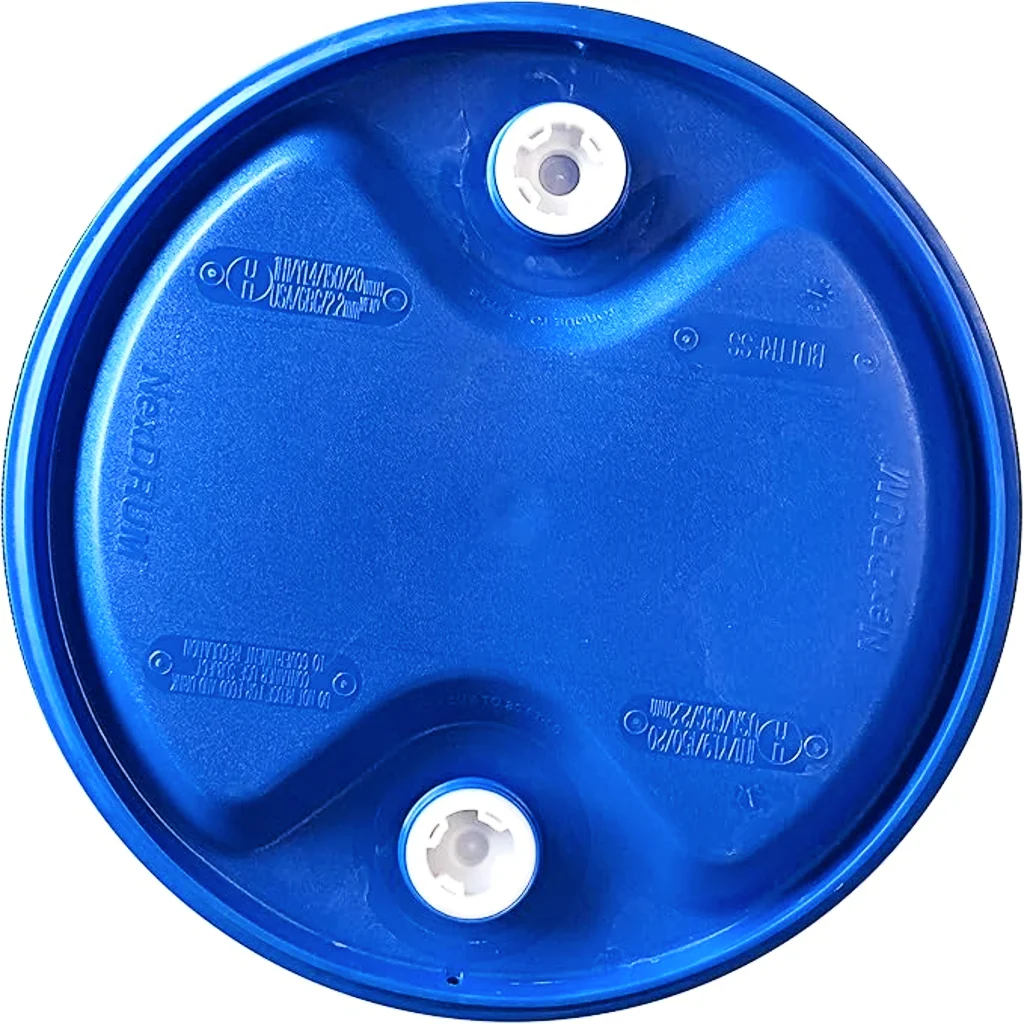
Augason Farms Water Storage Kit
Secure ultimate peace of mind with this complete 55-gallon emergency water kit! This BPA-free drum is your all-in-one solution for sheltering in place during a crisis, storing a massive supply of clean water. The kit includes a siphon pump for easy access and water treatment drops to guarantee safety. It’s the smart, ready-to-use foundation for any preparedness plan, ensuring your family’s most critical resource is secured and ready when you need it most. Stop worrying and invest in resilience—this powerhouse has you covered!
Setup essentials: What to buy and why
When buying your drum we recommend the Auguson Farms Kit, which comes with a siphon pump and water treatment drops to get you started.
If you choose another drum we recommend ensuring you have a good certifiied siphon hand pump, a bung wrench, and if you plan on moving the drum, a good quality dolly. We recommend some products below that we think will fit the bill.
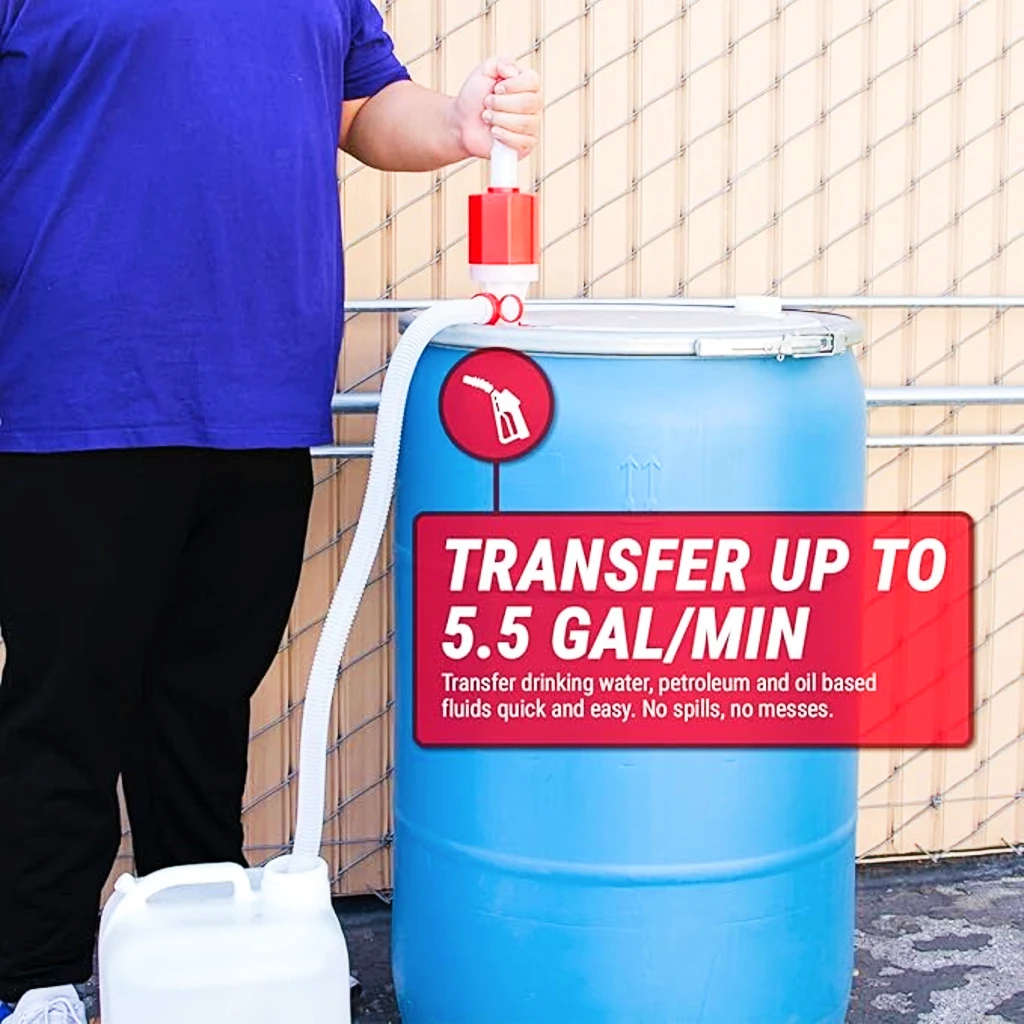
TERA PUMP Food Grade BPA Free Emergency Disaster 55-Gallon Drum Pump Heavy Duty Barrel Siphon
The TERA PUMP is a versatile, manual pump that efficiently transfers up to 5.5 gallons per minute from 55-gallon drums. Its robust, BPA-free construction is safe for both chemicals and emergency drinking water. Requiring no electricity, its simple piston-action is ideal for emergencyreparedness. The design includes a 47-inch hose and an adjustable bung adapter for a secure fit. Backed by a 1-year warranty from a veteran manufacturer, it’s a reliable, manual solution for quickly dispensing water and other liquids wherever you need it.
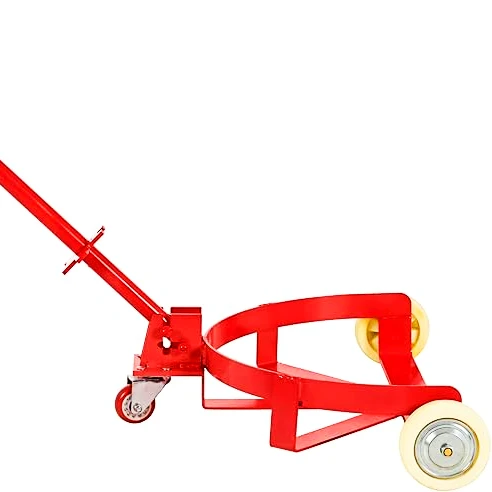
55 Gallon Drum Dolly with Handle
This heavy-duty Low Profile Steel Drum Caddy, constructed from upgraded alloy steel with a 1200 lb capacity, makes transporting 55-gallon drums effortless and secure. Its beveled edge slides easily under drums, while three durable wheels—including a swivel for superior maneuverability—ensure stable, tip-free movement on any surface. The versatile, multi-functional handle not only provides secure lifting and controlled tilting but also doubles as a practical bung wrench, making this caddy an indispensable and reliable tool for any workspace requiring safe and efficient drum handling.
These tools turn a static barrel into a manageable, safe water-storage system. The siphon hand pump makes withdrawal effortless and sanitary. A drum dolly prevents back strain when repositioning full containers, and a bung wrench ensures seals remain tight through rotation cycles. Together they create a durable, serviceable setup that aligns with CDC/EPA water-safety practices while keeping maintenance realistic for a household prep plan.
Risks & caveats: Know what drums can’t do
A slight plastic smell in water stored for months is normal, especially in heat, and is simply a reminder to refresh your supply. For safety, only use brand-new, food-grade drums, as chemical residues from repurposed containers are impossible to fully remove and can make water unsafe.
It’s also important to know that while bleach treatment is excellent for eliminating microbes, it does not remove chemical contaminants like PFAS or heavy metals; for that, you need a filter certified to NSF standards 53, 58, or 401.
Always be mindful of your storage environment. If you’re on an upper floor, opt for smaller, stackable water cubes to stay within safe weight limits. Finally, store all water containers several feet away from gasoline, pesticides, or lawn chemicals, as plastics can absorb these vapors over time and affect your water’s purity.
Decision framework: How to fit drums into your water ladder
Every home’s water plan lives on a ladder of time: 72 hours, two weeks, thirty days plus. Each rung has its own logistics.
For the 72-hour stage, a 55-gallon drum is overkill. Speed matters more than volume, so rely on commercial water bottles, bathtub bladders and portable cubes you can fill when a warning hits. Drums stay empty until after the crisis if space is scarce.
At the two-week mark, one drum becomes the quiet core of a suburban family plan. Fill it once, store it on a slab, and back it with smaller containers you can move to the kitchen. This combination balances quantity and convenience.
By the thirty-day stage, resilience becomes architecture. Two or three drums plus a treatment method and a certified filter cover both sanitation and redundancy. Rotation becomes a quarterly ritual, and the system pays for itself through stability: no frantic grocery runs, no bottled-water waste, and no guesswork. While a multi-drum setup costs more upfront, it delivers the lowest cost per safe gallon over a decade—especially when you already have slab space and sunlight-free corners waiting.
Check out our Emergency Water Preparedness (2025) article.
Check out our Water Prepping Series
PFAS & Lead: Choosing Certified Filters

Emergency Water Treatment (2025): Store, Treat, Filter

Best Stackable Water Cubes for Small Spaces (2025)
Bathtub Water Bladders for Short-Notice Events (2025)

Emergency Water Preparedness (2025)

Frequently Asked Questions: Clear Up Common Water Storage Mistakes
How heavy is a full drum?
About 459 lb (208.6 kg). Use a dolly or pumps, never muscle, to move a full drum.
Do I need to treat tap water before filling?
If your water comes from a municipal supply that meets EPA standards, you can fill directly. If it’s from a well or uncertain source, add the proper bleach dose and wait at least 30 minutes. If the water is mirky strain until clear. Err on the side of safety.
How often should I rotate?
Replace every six to twelve months. Even if chlorine persists, periodic rotation lets you inspect seals, pumps, and labels. Treat it like changing smoke-alarm batteries, its a small effort that makes sure things work when you need them.
What if I can’t store a gallon per person per day yet?
Start with what you can do. Try smaller cubes or commercial bottled water; every incremental gallon increases resilience. Starting is the key. We like the saying “think big, start small, act now.”
Can I connect drums together?
Yes, but isolate each with valves and vents so one contaminated drum doesn’t affect the rest. Keep manifolds simple enough to clean or drain fully.
Editorial Approach — Why you can trust our guidance
Praeparium’s Water Preparedness Editors bring together technical research, field experience, and standards-based evaluation to deliver clear, practical, and trustworthy guidance. Our team reviews water storage containers, filtration systems, chemical treatments, and emergency protocols using authoritative sources including CDC, EPA, FEMA, WHO, and NSF/ANSI performance standards.
We focus on real-world usability: how much water households actually need, how containers perform under long-term storage, how filters behave across microplastics and protozoa, and how treatment options compare under stress conditions. Recommendations are selected independently; we do not accept payment, samples, or placement fees from manufacturers. Every pick must meet transparent criteria for safety, reliability, and value.
Praeparium’s water editors are committed to responsible preparedness: mainstream, non-alarmist, evidence-led, and tailored to help families build resilience one safe step at a time.
Other Prepping Topics by Praeparium
Emergency Water Preparedness (2025)
Sources
Centers for Disease Control and Prevention. 2025. Water Storage for Emergencies. Atlanta, GA: U.S. Department of Health and Human Services. Available at https://www.cdc.gov/disasters/foodwater/prepare.html.
Federal Emergency Management Agency. 2024. Emergency Water Supply Planning Guide for Hospitals and Health Care Facilities. Washington, DC: U.S. Department of Homeland Security. Available at https://www.fema.gov/media-library/assets/documents/90267.
World Health Organization. 2024. Minimum Water Requirements in Emergencies. Geneva: WHO Press. Available at https://www.who.int/water_sanitation_health/emergencies/qa/emergency_water.
U.S. Environmental Protection Agency. 2025. Emergency Disinfection of Drinking Water. Washington, DC: Office of Water. Available at https://www.epa.gov/ground-water-and-drinking-water/emergency-disinfection-drinking-water.
U.S. Department of Housing and Urban Development. 2023. Residential Structural Design Guide: Second Edition. Washington, DC: HUD Office of Policy Development and Research. ISBN 0-974-55510-X. Available at https://www.huduser.gov/portal/publications/residential_structural_design.html.
California Seismic Safety Commission. 2022. Home Non-Structural Safety Guide. Sacramento, CA: State of California Seismic Safety Commission. Available at https://ssc.ca.gov/disaster_home_safety_guide.
NSF International. 2025. Certified Products and Listings: NSF/ANSI 61 Drinking Water System Components. Ann Arbor, MI: NSF International. Available at https://info.nsf.org/Certified/PwsComponents/.
U.S. Environmental Protection Agency. 2024. Toxic Substances Fact Sheet on Plastic Leachates. Washington, DC: Office of Chemical Safety and Pollution Prevention. Available at https://www.epa.gov/assessing-and-managing-chemicals-under-tsca.
Pingback: Emergency Water Preparedness (2025) - praeparium.com