
Bathtub Water Bladders for Short-Notice Events (2025)
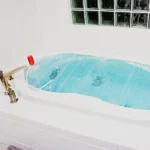
When a storm warning is issued and you still have running water, you have a critical opportunity to act. This short window allows you to quickly build a substantial water reserve with a simple and effective method: the bathtub water storage liner. This Bathtub Water Bladders for Short-Notice Events (2025) gives you some great options to secure between 65 and 100 gallons of water in just 15 to 30 minutes. This provides approximately a week’s supply for a family of four, meeting the recommended 1-2 gallons per person per day for emergencies (CDC, 2024; EPA, 2024).
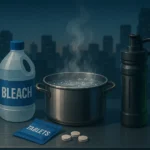
To ensure this water is safe when you need it plan to treat this water before drinking or cooking. The most reliable methods are boiling it for one minute (three minutes at high altitude) or dosing it with unscented bleach according to official CDC guidelines (CDC, 2024). For situations without power, chlorine-dioxide tablets are a highly effective alternative for microbiological safety (CDC, 2024).
Investing in a bathtub liner kit is a small step that pays significant dividends in peace of mind. Every gallon you store before the taps run dry is one less gallon you need to worry about finding later. As you fill it, you will hear the film tighten, confirming your emergency reservoir is taking shape.
Disclosure: This article contains affiliate links placed only after evidence sections. Praeparium never accepts payment for placement; all safety and performance claims trace to authoritative (A1/A2) sources. Confirm current prices and availability before purchase.
This article supports the Praeparium Emergency Water Preparedness Series, including Water Treatment , PFAS & Lead Filters, Best Stackable Water Cubes, 55-Gallon Drum Setup, and Bathtub Water Bladders.
- Hygienic Barrier: Keep Bath Water Clean Enough to Drink
- WaterBOB Bathtub Storage Emergency Drinking Water Container
- One-Time Use: Avoid Biofilm and Cross-Contamination
- Pump-Out & Transfer: Move Water Without Spills
- Where Bladders Fit: Short-Notice Events and Advisories
- Top Bladders Compared : Capacity, Film, and Pump Design
- WaterBOB Bathtub Storage Emergency Water Container
- AquaPod Bathtub Storage Emergency Water Container
- Risks & Caveats: Know the Limits
- Frequently Asked Questions: Clear Up Common Water Storage Mistakes
- Related Praeparium Articles
- Praeparium Editorial Approach
- Other Prepping Topics by Praeparium
- Sources
Hygienic Barrier: Keep Bath Water Clean Enough to Drink
A bathtub bladder provides a dedicated, food-grade container for your emergency water, protecting it from the microscopic residues and grime that are often present on even clean-looking surfaces (CDC, 2023). To ensure the water inside stays pure, a quick preparation of the tub itself makes all the difference.
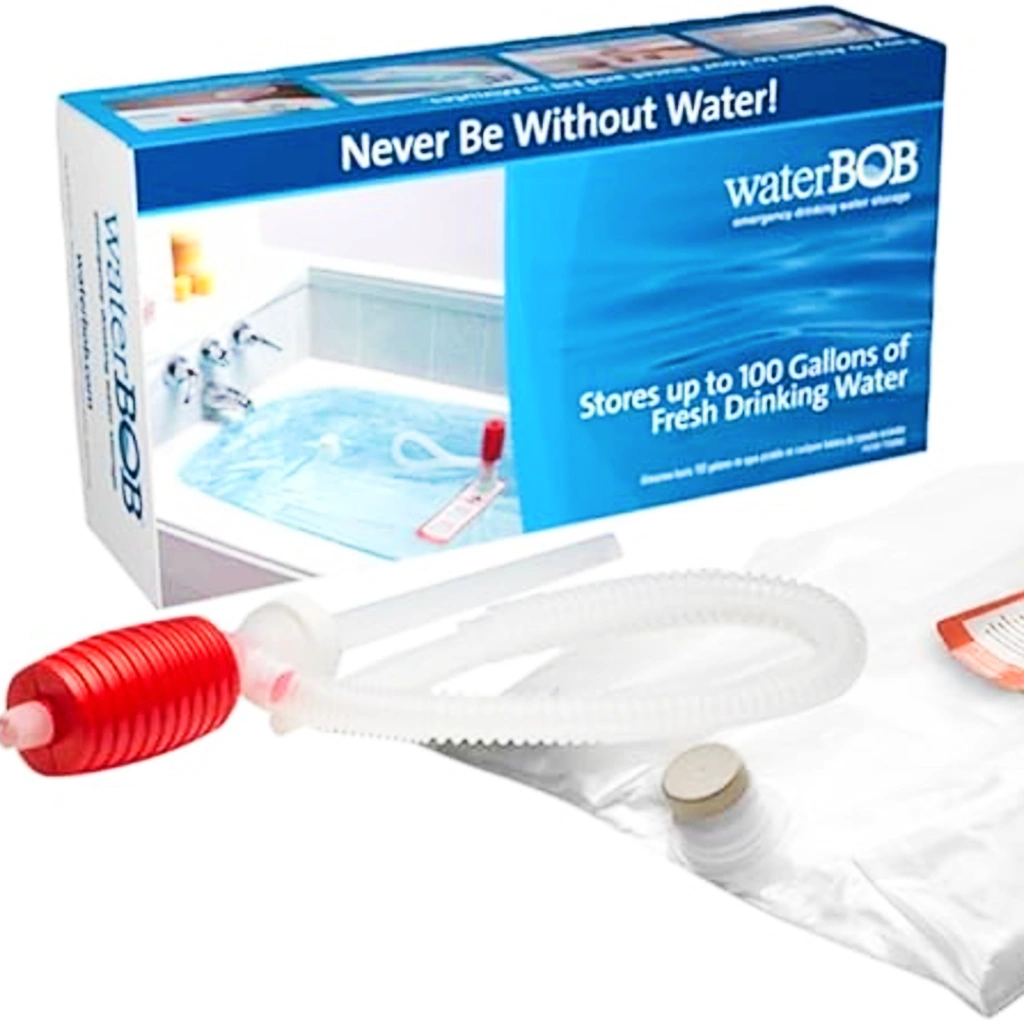
WaterBOB Bathtub Storage Emergency Drinking Water Container
Don’t be caught unprepared! The waterBOB is your brilliant bathtub-based solution for emergency water. When a storm or crisis threatens your water supply, simply place this heavy-duty, BPA-free liner in your tub and fill it from your faucet. In about 20 minutes, you’ll have a protected 100-gallon reserve of clean drinking water—safe from tub germs and debris for weeks. It’s the simplest, smartest way to ensure your family’s water security at a moment’s notice.
Begin by wiping down the faucet and drain with a weak bleach solution (1 teaspoon per quart of water, with a 30-second contact time) and letting it air dry. This simple step removes the invisible film that can lead to off-tastes or odors later, giving your stored water a clean start.
Tips for a Successful Fill:
- For a smooth surface, place a folded towel over any chips in the porcelain.
- Keep the tub’s overflow gap clear and don’t worry about smoothing out wrinkles as the liner fills; it will settle naturally into place.
- The soft crinkling sound you hear is the liner forming a secure seal, which is exactly what you want.
Remember, a bathtub liner is designed for single-use storage. After the event, simply drain and recycle it if that option is available in your area. The folds can trap bacteria that are difficult to clean, making replacement the safest choice for next time.
This method gives you complete control, ensuring that when you treat your water—whether by boiling or bleaching—you are starting from the cleanest possible baseline.
One-Time Use: Avoid Biofilm and Cross-Contamination
Manufacturers label bathtub bladders as single-use for good reason. After exposure to light, dust, or human contact, microorganisms colonize the folds where no amount of drying fully sterilizes. Reusing a bladder risks seam leaks or biofilm bloom, which is not something that you want. Treat it like sterile gauze: deploy, drain, recycle.
Ignore marketing that claims water “stays fresh for weeks.” Temperature, sunlight, and air contact change everything. Neither CDC nor EPA endorses shelf-life promises for untreated emergency water (CDC 2024; EPA 2024). If storage must extend beyond several days, decant the water into clean, labeled cubes and rotate them on a six-to-twelve-month cycle (CDC 2023). A Sharpie date label and a family calendar reminder is a siple reminder.
Pump-Out & Transfer: Move Water Without Spills
Moving water safely is just as important as storing it. Using the manual siphon included in a quality Bathtub Water Bladder kit allows you to transfer water directly into manageable cubes. This method eliminates the need to carry heavy, sloshing buckets across slippery surfaces.
To ensure a smooth and hygienic process, follow these simple steps:
- Place your empty water containers on a towel or bathmat to prevent them from sliding.
- Use the siphon to move water from your bathtub liner or large reservoir into the smaller cubes.
- Before sealing each cube, wipe the spout clean to maintain water purity (CDC, 2023).
For effortless organization, adopt a color-coding system for your containers. You can use stickers or markers for this. A simple method is to designate blue containers for untreated water, white for boiled water, and red for bleach-treated water. This simple visual system ensures everyone in the household knows the status of your water supply at a glance.
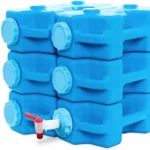
Check out our article Best Stackable Water Cubes for Small Spaces (2025) for advice and recommendations.
With a little practice, this transfer process becomes a quick, rhythmic routine. If the siphon’s flow ever stops, simply refill the tube under running water to restart it. This organized approach minimizes spills, reduces physical strain, and helps maintain a calm, controlled environment when it matters most.
Where Bladders Fit: Short-Notice Events and Advisories
A bathtub bladder serves as an emergency buffer, positioned between your immediate-use water cases and cubes, and long-term storage drums and other solutions. It is your first and fastest line of defense when you have a few hours of warning before a hurricane, fire, deep freeze, or scheduled water outage. By filling the bladder while the municipal water supply is still clean and pressurized, you secure a vital reserve of dozens of gallons with minimal effort.
For the safest results, fill your bladder at the first sign of a potential disruption. If you notice the tap water is already brown or cloudy, let it settle in the bathtub first, then filter it through a clean cloth into the bladders before disinfecting it according to CDC and EPA guidelines (CDC, 2024; EPA, 2024). Check out our Emergency Water Treatment Guide.
Safety and Best Practices for Every Household:
- Secure the Area: Once filled, keep the bathroom door closed and, if possible, locked to prevent accidental access by young children or pets.
- Understand its Purpose: A bathtub liner is a temporary solution. Its job is to provide you with the time and water needed to stabilize your situation and provide a buffer.
- Dispose Responsibly: Once the crisis has passed, drain the liner and dispose of it according to your local recycling guidelines.
Ultimately, a filled bathtub liner is more than just stored water; it is a foundation for confidence. It is the assurance that when uncertainty arrives, you and your family will have the clear, accessible water needed to stay safe and focused in the short term.
Top Bladders Compared : Capacity, Film, and Pump Design
The WaterBOB and AquaPod Kit came out on top as excellent emergency water solutions. Both were selected for their superior material safety, utilizing robust, FDA-compliant liners that keep water pure for extended storage. Their high capacity (up to 100 gallons) directly meets critical household needs during disruptions. A key factor was the inclusion of a manual siphon pump with each unit, ensuring simple, hygienic water access without power. This combination of verified safety, substantial capacity, and straightforward operation makes them reliable, ready-to-deploy assets for any storm season, providing invaluable peace of mind and preparedness.
| Brand | Capacity | Materials & Pump | Notes |
|---|---|---|---|
| WaterBOB | Approx.100 gal (depends on tub) | Food-grade LLDPE film (approx. 4 mil); includes manual siphon pump | Single-use; fills in 20–30 min |
| AquaPod Kit | 65–100 gal (tub-dependent) | FDA-compliant 4-mil LLDPE film; manual siphon included in kit | Replacement liners available; U.S.-made |
For reliability during repeated storm seasons, either choice earns high marks for simplicity and verified material safety.
WaterBOB Bathtub Storage Emergency Water Container
Don’t be caught unprepared! The waterBOB is your brilliant bathtub-based solution for emergency water. When a storm or crisis threatens your water supply, simply place this heavy-duty, BPA-free liner in your tub and fill it from your faucet. In about 20 minutes, you’ll have a protected 100-gallon reserve of clean drinking water—safe from tub germs and debris for weeks. It’s the simplest, smartest way to ensure your family’s water security at a moment’s notice.
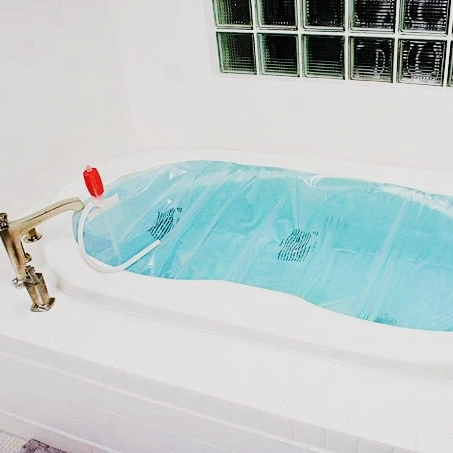
AquaPod Bathtub Storage Emergency Water Container
The AquaPod Kit is an emergency water storage system that turns a standard bathtub into a sealed, sanitary container, holding up to 100 gallons. Made in the USA with BPA-free, food-grade plastic, it ensures water stays fresh for days. It sets up quickly by connecting to your faucet and includes a pump for easy dispensing, providing a critical, reliable water supply during disasters.
Risks & Caveats: Know the Limits
Bladders don’t remove chemicals or microbes; they store water until you treat it (CDC 2024; EPA 2024). Never reuse a bladder unless the manufacturer explicitly allows, and even then, expect a shorter life. Avoid filling damaged tubs or dragging sharp tools across the rim. Keep children and pets away from the area shutting the door if possible. After use, drain and recycle responsibly.
Think of the bladder as your sprint tool, not your marathon tank. Used correctly, it bridges the most stressful hours of any water emergency with clean, treatable supply.
Frequently Asked Questions: Clear Up Common Water Storage Mistakes
How much water will my bladder hold?
Most households can store 65–100 gallons depending on tub depth—about a week for a family of four at two gallons per person per day (CDC 2024). Check out our Emergency Water Preparedness article for more information.
Do I still need to treat the water?
Yes. Boil for one minute (three at high altitude) or dose bleach per CDC/EPA tables; wait ≥ 30 minutes before use (EPA 2024). Read our Water Treatment article for moreinformation.
Can I reuse the bladder?
No. Single-use only to avoid biofilm and micro-leaks (WaterBOB 2025).
Is it child-safe?
Safer than open water but never leave unattended. Restrict access by closing the door and removing the siphon after use.
Will it damage the tub?
No, the film is non-abrasive. If the tub is chipped use padding or a towel to avoid puncturing the bladder.
Related Praeparium Articles
55-Gallon Drum Setup (2025): Safe Bulk Storage for Households
PFAS & Lead: Choosing Certified Filters
Emergency Water Treatment (2025): Store, Treat, Filter
Best Stackable Water Cubes for Small Spaces (2025)
Bathtub Water Bladders for Short-Notice Events (2025)
Emergency Water Preparedness (2025)

Praeparium Editorial Approach
Praeparium’s Water Preparedness Editors bring together technical research, field experience, and standards-based evaluation to deliver clear, practical, and trustworthy guidance. Our team reviews water storage containers, filtration systems, chemical treatments, and emergency protocols using authoritative sources including CDC, EPA, FEMA, WHO, and NSF/ANSI performance standards.
We focus on real-world usability: how much water households actually need, how containers perform under long-term storage, how filters behave across microplastics and protozoa, and how treatment options compare under stress conditions. Recommendations are selected independently; we do not accept payment, samples, or placement fees from manufacturers. Every pick must meet transparent criteria for safety, reliability, and value.
Praeparium’s water editors are committed to responsible preparedness: mainstream, non-alarmist, evidence-led, and tailored to help families build resilience one safe step at a time.
Other Prepping Topics by Praeparium
Emergency Water Preparedness (2025)
Sources
CDC. 2023. Create an Emergency Water Supply. Atlanta, GA: Centers for Disease Control and Prevention. https://www.cdc.gov/healthywater/emergency/creating-an-emergency-water-supply.html
CDC. 2024. How to Make Water Safe in an Emergency. Atlanta, GA: Centers for Disease Control and Prevention. https://www.cdc.gov/healthywater/emergency/drinking/making-water-safe.html
PA. 2024. Emergency Disinfection of Drinking Water. Washington, DC: U.S. Environmental Protection Agency. https://www.epa.gov/ground-water-and-drinking-water/emergency-disinfection-drinking-water