
Emergency Water Preparedness (2025)
Water is the one emergency supply your home absolutely must have. This Emergency Water Preparedness (2025): Store, Treat & Filter Safely in Any Home guide shows you how much to store, how to store it safely, and which methods really make water drinkable. Everything here is based on CDC and EPA guidance. Whether you live in an apartment or a family home, you can build a simple plan that protects you for 72 hours, two weeks, or even a full month or more.
Read more in our Praeparium Emergency Water Preparedness Series, including Water Treatment , PFAS & Lead Filters, Best Stackable Water Cubes, 55-Gallon Drum Setup, and Bathtub Water Bladders.
Affiliate disclosure : Our evidence-based product reviews are funded through affiliate links. This system allows us to provide rigorous, independent recommendations—we never accept payment from manufacturers—and helps support our ad-light, trustworthy resource at no extra cost to you.
- Time-Ladder Planning: Scale from 72h to 30 Days with Confidence
- Quantity Targets : Plan 1–2 Gallons per Person per Day with Real-World Math
- Container Choices : Fit Storage to Space, Weight & Floor Limits
- Portable & Modular Containers
- Floor-Loading: Keep Your Home Happy While You Store
- Disinfection Methods : Make Sure Water is Drinkable
- Filter Certifications : Choose Verified Protection Against Contaminants
- Rotation & Hygiene : Keep Stored Water Safe for 12 Months+
- Apartment Tactics : Build a Compact But Effective Water Plan
- Frequently Asked Questions: Clear Up Common Water Storage Mistakes
- Praeparium Water Prepping Articles
- Praeparium Editorial Approach
- Other Prepping Topics by Praeparium
- Sources
Time-Ladder Planning: Scale from 72h to 30 Days with Confidence
Think of your journey to preparedness not as a daunting cliff you have to scale in a single, exhausting weekend, but as a friendly, steady ladder you get to climb one rung at a time. The absolute best part? You can pause at any safe landing and already be meaningfully better off than when you started. This isn’t about achieving perfection overnight; it’s about building a tangible sense of security and peace of mind with every single step you take.
The very first rung is a fantastic and familiar goal: a solid 72-hour cushion. Just achieving this puts you ahead of the curve and covers a huge 80% of probable, everyday disruptions like a boil-water notice, a burst water main, or most short-term power outages. It’s a wonderful, manageable win!
From there, the next rung is building a practical two-week reserve. This is where you truly begin to shine with resilience, confidently seeing your household through severe storms or waiting out slower infrastructure repairs. Many families find this to be their perfect, comfortable stopping point, and it’s a tremendous achievement that creates a real buffer between you and life’s unexpected twists.
The third is a 30-day target for households that want a substantial safety net or live a long way from services. At this level, the amount of water stored becomes significant in terms of space and weight. You may want to start thinking about water harvesting, but that is outside the scope of this article.
You can stop at any safe rung and still be meaningfully better off. If you stop at 72 hours you will be covered for 80 % of probable events, or you can keep climbing for deeper resilience. You can also see your gaps at a glance: are you a weekend short, or a fortnight short? That clarity makes it easier to budget money and space without doom-scrolling or overbuying
Choosing a single daily water number and sticking to it is what makes this simple.
Quantity Targets : Plan 1–2 Gallons per Person per Day with Real-World Math
When it comes to building your family’s water reserve, think of it as crafting a personal oasis for a rainy day! The foundational rule you’ll see everywhere is a reliable and clear one gallon per person, per day (CDC 2024). This is the essential bedrock for any solid plan, ensuring everyone stays hydrated and healthy.
But here’s where we can turn that baseline into genuine comfort and confidence! We recommend aiming for a generous two gallons per person, per day as a practical planning target, above the CDC’s 1-gallon minimum and within the WHO’s 7.5–15 L per person per day emergency range (CDC 2024; WHO 2024). Why double it? Because this cushion transforms your reserve from a bare-bones hydration kit into a true support system that covers cooking and basic hygiene without a second thought. Imagine the peace of mind knowing you can comfortably cook that pasta, wash up after a day of handling supplies, or even give a grateful pet a quick rinse, all without the stress of rationing from the very first day. You’re not just surviving; you’re maintaining a sense of normalcy and well-being.
It’s also so important to remember that every family’s needs are unique. Active children, nursing mothers, hot summer days, a recovering illness, and our beloved furry family members all happily drink up more water! Viewing that two-gallon goal as a flexible starting point empowers you to customize your plan perfectly. By building this buffer, you’re not just storing water—you’re investing in resilience, comfort, and the priceless ability to handle a disruption knowing you have plenty to share and to spare.
Storage Reference — 2 Gallons Per Person Per Day
Let’s transform those water storage numbers from a daunting chart into your personal empowerment plan! This handy reference is built on a generous and comfortable goal of 2 gallons per person per day, ensuring you have plenty not just for drinking, but for cooking a warm meal and maintaining hygiene with a smile. Think of it as your roadmap to total peace of mind.
To make planning a breeze, here’s a quick guide to what that looks like over different timeframes. For a family of four, a 3-day supply is a manageable 24 gallons, a robust 2-week reserve is 112 gallons, and a truly substantial 30-day safety net comes to 240 gallons. These figures are your foundation, but the real magic is in customizing them for your unique life!
This table shows you that even a family of four can reach a robust 2-week buffer with volumes that are very achievable: 112 gallons is four 7-gal cubes plus a 55-gal drum and a few cases of bottled water. Once you see the numbers broken down, your ‘ladder rungs’ become real and manageable rather than abstract.
| People | 72 Hours (3 Days) | 2 Weeks (14 Days) | 30 Days |
|---|---|---|---|
| 1 | 6 gal (≈ 23 L) | 28 gal (≈ 106 L) | 60 gal (≈ 227 L) |
| 2 | 12 gal (≈ 45 L) | 56 gal (≈ 212 L) | 120 gal (≈ 454 L) |
| 3 | 18 gal (≈ 68 L) | 84 gal (≈ 318 L) | 180 gal (≈ 681 L) |
| 4 | 24 gal (≈ 91 L) | 112 gal (≈ 424 L) | 240 gal (≈ 908 L) |
| 5 | 30 gal (≈ 114 L) | 140 gal (≈ 530 L) | 300 gal (≈ 1 135 L) |
| 6 | 36 gal (≈ 136 L) | 168 gal (≈ 636 L) | 360 gal (≈ 1 362 L) |
This table is deliberately conservative because your life is full of variables. Do you love cooking from scratch, washing fresh produce, or being the household that friends and family might gravitate to? If so, add 15-25% as “headroom” to your total. Labeling this higher number as your official target is a brilliant act of self-care. It might feel generous now, but in a situation where calm is key, you will be so grateful for every extra drop that allows for comfort and hospitality.
And let’s not forget the special members of your crew! Active children, nursing parents, hot weather, illness, and our beloved pets all nudge our water needs upward. The accompanying guide gives you easy-to-follow estimates for these, turning potential stress into simple, actionable planning. By building a reserve that accounts for your family’s real life, you’re not just storing water—you’re ensuring that no matter what comes, you can handle it with confidence, comfort, and a generous spirit.
| Category | Example case | Approx. gallons needed per day | Notes (why / how to use) |
|---|---|---|---|
| Children | Per child (toddler to teen) | 1 gal/day total | In practice, plan the same 1 gal/day as an adult for drinking + a little hygiene. Very small kids may drink less, but spills and mixing formula use it up (WHO 2024). |
| Nursing (breastfeeding adult) | Per nursing parent | 1.5 gal/day total | Baseline 1 gal + 0.5 gal extra for higher fluid needs and more frequent washing. If it’s hot or stress is high, you could round up to 2 gal/day (WHO 2024). |
| Heat (hot weather) | Per person in hot conditions | +0.5 gal/day | Add about ½ gallon per person when it’s very warm and people are sweating or working. So approx. 1.5 gal/day/person minimum in hot weather. |
| Illness (vomiting/diarrhea) | Per sick person | +0.5–1 gal/day | Plan at least ½–1 extra gallon for oral rehydration drinks, extra washing, and spills. If multiple people get sick, multiply accordingly (WHO 2024). |
| Pets | Dog or cat | Small dog/cat: 0.25 gal/day Med dog: 0.5 gal/day Large dog: 1 gal/day | Roughly based on approx. 1 oz of water per lb of body weight per day. Always round up for heat, activity, or if you’re mixing dry food (Reisen 2017). |
These numbers are a conservative planning tool, not a medical prescription. They sit above the CDC minimum and draw on WHO emergency water quantity guidance as a safe, comfortable buffer (CDC 2024; WHO 2024).
Container Choices : Fit Storage to Space, Weight & Floor Limits
The very best preparedness plan isn’t the one with the most gear; it’s the one that fits your life perfectly! The real secret to success is choosing water solutions that match your unique space, your strength, and your daily routine. This is all about building a simple, sustainable system that you can confidently stick with for the long haul. Let’s explore some fantastic options designed to make you feel empowered and prepared.
Portable & Modular Containers
| Container | Typical Size (L / gal) | Key Strength | Key Caution |
|---|---|---|---|
| Stackable HDPE #2 cube | 11–26 L / 3–7 gal | Easy rotation, · fits small spaces | Threads & gaskets wear, replace O-rings as needed |
| Bottled water (cases) | 0.5–1.5 L bottles | Factory sealed ,· no setup | Waste · rotation once opened |
| Collapsible bladder | 4–38 L / 1–10 gal | Compact ,· vehicle friendly | Taste transfer · seam fatigue |
Start Simple: The Power of Bottled Water
First, let’s celebrate the power of starting simple! Never underestimate the sheer convenience and reliability of commercial bottled water. Sealed cases are a hero in their own right—perfect for managing a sudden power outage or serving as a grab-and-go kit if you need to evacuate quickly. The system is effortless: just note the purchase date on the case and happily rotate the bottles into your weekly grocery shopping or daily routine. It’s a foolproof, accessible foundation that anyone can start today (CDC 2024).
Smart Scaling: Versatile Stackable Cubes
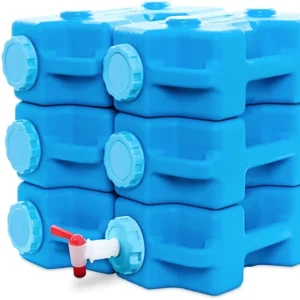
When you’re ready to level up your preparedness game, welcome to the world of versatile, stackable water cubes! These clever containers, typically holding 3 to 7 gallons each, are the champions of customizable and space-efficient storage. Made from durable, food-grade plastic, they are easy to clean and designed to grow with you. Start with just a couple and watch your reserve expand, neatly tucking under beds, into closets, or forming a tidy stack in a garage corner. A quick pro-tip for peace of mind: always tape a few spare caps and O-rings to your storage shelf. This ensures your system stays leak-free for years to come!
Check out our article Best Stackable Water Cubes for Small Spaces (2025).
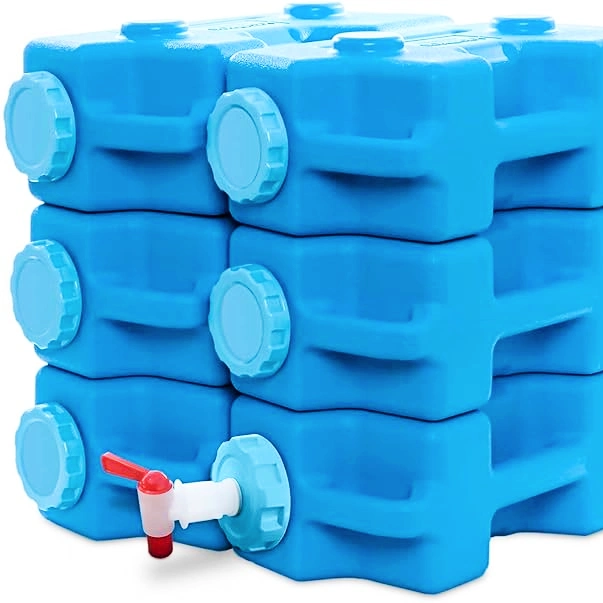
AquaBrick 3 Gallon Water Container
Meet your all-in-one storage hero: the 3-gallon AquaBrick. Engineered for emergencies, it’s 100% leak-proof and incredibly easy to fill, pour, and carry. Its genius, space-saving design is completely stackable, letting you build a compact water reserve anywhere. When you don’t need water storage, it seamlessly transforms to hold 20 lbs of dry goods like rice or beans. Durable, versatile, and designed for real-life use, the AquaBrick is the smartest way to build your family’s resilience. It’s the simple, effective foundation for true peace of mind.
Even a small mix of stackable cubes and one drum can quietly cover two weeks or more without dominating your home or your budget. Explore our top picks and advice in our article Best Stackable Water Cubes for Small Spaces (2025).
Bulk and Stationary Containers: Increasing Water Storage Volume
| Container | Capacity (L / gal) | Key Strength | Key Caution |
|---|---|---|---|
| 55-gal drum + pump | 208 L / 55 gal | High capacity · low clutter | Heavy · needs pump + sediment guard |
| Bathtub bladder | 300–380 L / 80–100 gal | Rapid fill · no floor space used | Single use · strict hygiene |
Maximize Capacity: 55-Gallon Drums for Stable Storage
For households with a little more space, a 55-gallon drum is a true powerhouse. If you have a stable garage or ground-floor spot that can handle the weight, this single container is a brilliant way to consolidate your supply and minimize fuss. Think of it as your water security anchor: once filled and treated, it stands ready as a massive, reliable reserve. Just be sure to have a proper pump handy and a plan to use the water where it sits.
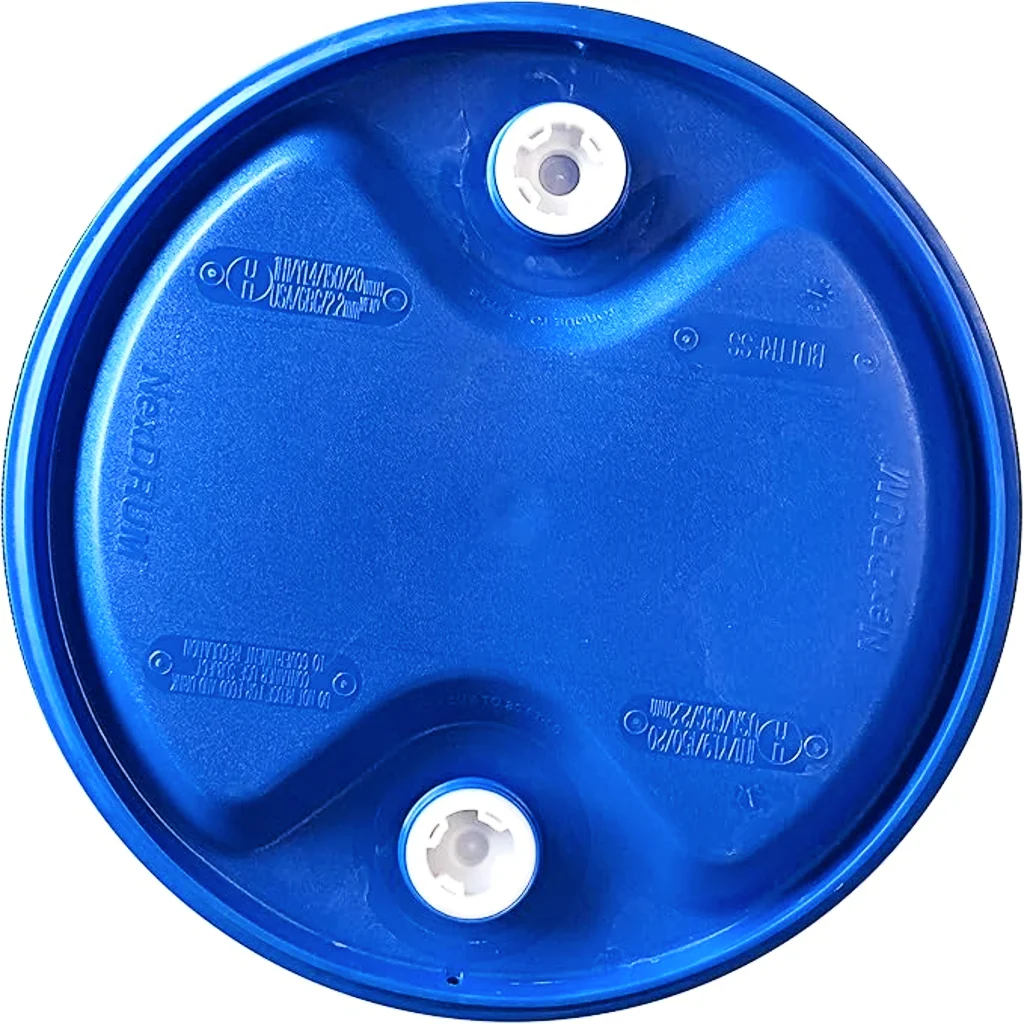
Augason Farms Water Storage Kit
Secure ultimate peace of mind with this complete 55-gallon emergency water kit! This BPA-free drum is your all-in-one solution for sheltering in place during a crisis, storing a massive supply of clean water. The kit includes a siphon pump for easy access and water treatment drops to guarantee safety. It’s the smart, ready-to-use foundation for any preparedness plan, ensuring your family’s most critical resource is secured and ready when you need it most. Stop worrying and invest in resilience—this powerhouse has you covered!
Check Out our article 55-Gallon Drum Setup (2025): Safe Bulk Storage for Households.
Short-Notice Capacity : Capture 100+ Gallons with Bathtub Bladders
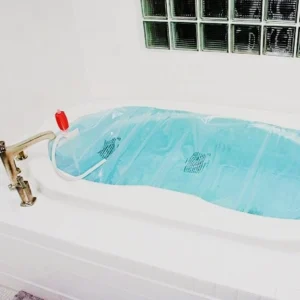
For those times when you see a storm coming, a bathtub water bladder is nothing short of magical. This ingenious solution lets you capture 80 to 100 gallons of clean water with just a day’s notice, transforming your ordinary tub into a life-saving reservoir. The best part? For the other 364 days of the year, it packs away neatly, taking up virtually no storage space. It’s the ultimate smart strategy for short-notice capacity!
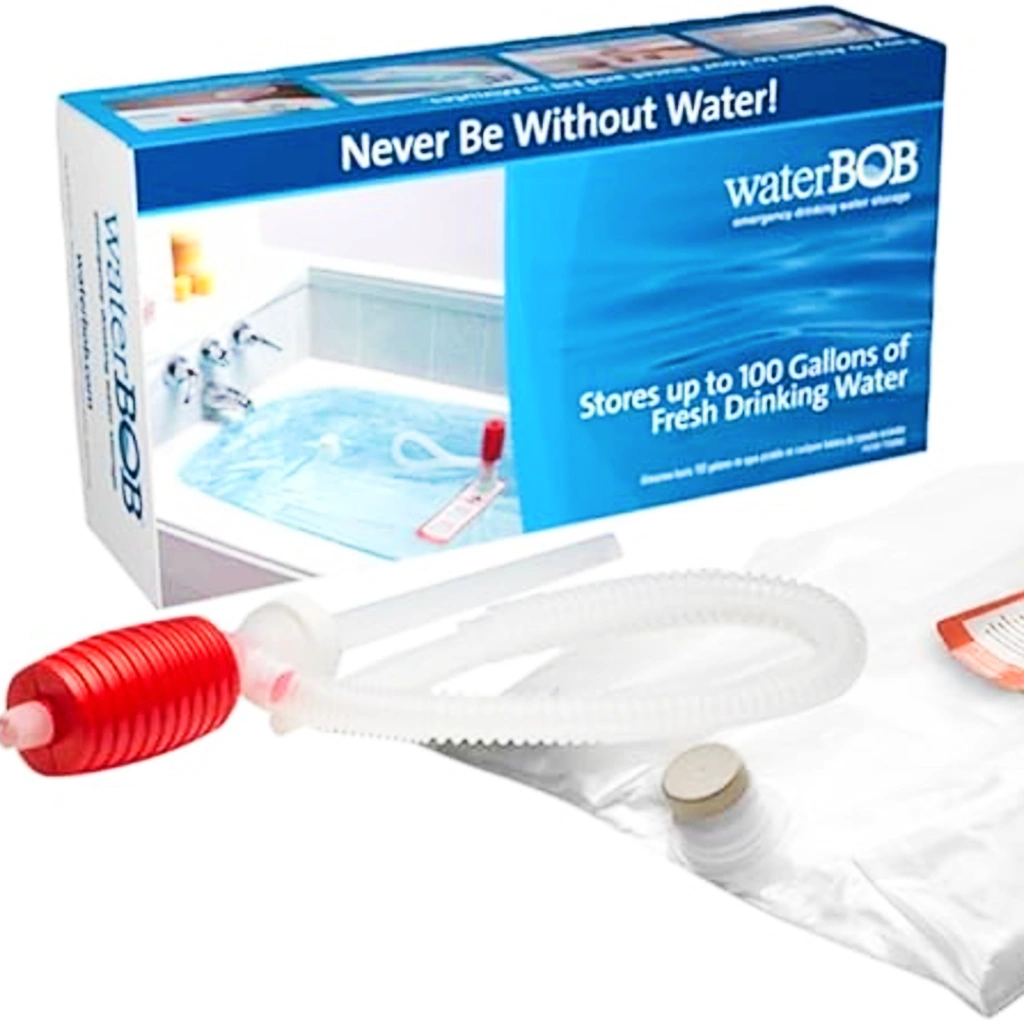
WaterBOB Bathtub Storage Emergency Drinking Water Container
Don’t be caught unprepared! The waterBOB is your brilliant bathtub-based solution for emergency water. When a storm or crisis threatens your water supply, simply place this heavy-duty, BPA-free liner in your tub and fill it from your faucet. In about 20 minutes, you’ll have a protected 100-gallon reserve of clean drinking water—safe from tub germs and debris for weeks. It’s the simplest, smartest way to ensure your family’s water security at a moment’s notice.
Check out our guide to Bathtub Water Bladders for more information, top picks and advice.
Floor-Loading: Keep Your Home Happy While You Store
Think of your home’s structure as a team, with load-bearing walls and floor joists as the star players designed to carry weight. Your storage plan is all about working with that team! For any room upstairs, the winning strategy is always “many hands make light work.” A collection of smaller, stackable cubes is a fantastic choice because you can distribute their mass across multiple joists and along sturdy walls. This is a much better idea than concentrating the staggering 460 pounds of a single 55-gallon drum in one small spot. You’re not just storing water; you’re building a stable, secure system.
On a solid, ground-level concrete slab, that same 55-gallon drum becomes a much more practical powerhouse because the concrete is doing all the heavy lifting for you. And for our friends in earthquake country, a few extra safety steps, like using anti-tip straps and keeping drums on pallets away from damp soil, adds one more layer of smart protection to your plan.
If you love a good back-of-the-napkin check, the numbers tell a clear story: one 55-gallon drum weighs about as much as a piano, while four versatile 7-gallon cubes together weigh about half that and can be spaced out for perfect balance. While the full details of framing matter, this simple math nudges us toward the perfect habit: distribute, distribute, distribute! By spreading the load, you’re not just protecting your home; you’re ensuring your preparedness journey is built on a solid foundation.
These are practical rules of thumb, not formal engineering advice. If you plan to store large volumes upstairs, talk to a local engineer or building inspector and follow any local code or civil defence guidance.
Disinfection Methods : Make Sure Water is Drinkable
Building your water reserve is a huge step toward confidence, and now let’s unlock the final, crucial piece of your preparedness toolkit: the absolute certainty that your water is safe and refreshing to drink. Knowing how to protect your water is like having a master key to peace of mind, and with a few simple techniques, you can handle almost any situation.
When you have a good water source but are unsure about its biological safety, and you have fuel available, a rolling boil is your gold-standard, go-to method! Bringing water to a full, rolling boil for one minute (or three minutes at high elevations (CDC 2024; EPA & CDC 2024)) is a powerhouse move that effectively inactivates all those unwanted pathogens. Just let it cool with a lid on to keep it clean. If it tastes a little flat afterward, a fun, brisk pour between two containers will re-oxygenate it and bring back that fresh, crisp taste!
For moments when fuel is scarce, don’t underestimate the power of simple, unscented household bleach. It’s a remarkably dependable tool for clear water. The key is using the right dose to achieve 2–6 mg/L of free chlorine and then waiting at least 30 minutes (EPA & CDC 2024). A pro-tip for success: keep a printed dosing card in your kitchen, with your specific bleach strength highlighted, so you never have to guess in a moment of need. For an even more packable solution, chlorine dioxide tablets are fantastic, especially when dealing with stubborn protozoa—just be sure to read the label carefully, as they require a bit more patience (WHO 2024).
It’s also empowering to understand what each method does best. Disinfection, whether by boiling or chemicals, brilliantly handles living organisms. For other concerns like heavy metals or chemicals, you’ll want the advanced power of a certified filter (EPA & CDC 2024; EPA 2025).
The right mix of bleach, tablets, and a certified filter means you don’t have to guess about safety when the tap water looks or smells wrong. Check out our Emergency Water Treatment article for advice and picks.
| Method | When to use | How to do it | Notes & caveats |
|---|---|---|---|
| Boiling | Microbial suspicion + fuel available | Rolling boil 1 min (3 min high elevation); cool covered | Excellent pathogen kill; does not remove chemicals or metals |
| Unscented bleach (5–9 %) | Clear water; quick disinfection | Dose for around 2–6 mg/L free chlorine; wait ≥ 30 min; double for cloudy/cold | Verify % and age; use unscented only |
| Chlorine dioxide tablets | Protozoa concern; packable option | Follow label contact time (30–240 min typical) | Longer wait; taste varies; not a chemical solution |
| Filter + disinfection | Daily use after event | Use certified filter for contaminants + disinfection if source is questionable | Certification is claim-specific; see next section |
Filter Certifications : Choose Verified Protection Against Contaminants
When it comes to water in an emergency, your number one mission is to defeat the immediate biological threats that can cause waterborne illness. Think of bacteria, viruses, and parasites as the first priority and something you have a proven, logical strategy to beat! To be truly effective, you should think in layers: first, tackle the visible gunk, then destroy the invisible microbes. While chemical contaminants like PFAS and lead are serious concerns for the long term, they become a secondary priority when the alternative is acute sickness. Your first job is to make the water safe now!
Your 3-Step Emergency Water Treatment Plan
Follow this logical, layered approach to turn questionable water from any source into a safe and reliable drinking water.
- Step 1: The First Pass – Filter Out Debris
If your water is murky or has visible sediment, start by letting it settle in a container. Then, pour it through a clean cloth, coffee filter, or paper towel into another container. This simple step removes large particles that can shield microbes and clog your finer filters later. - Step 2: The Knockout Punch – Neutralize Biological Threats
Now, with clearer water, you have two champion options to destroy or remove the dangerous pathogens:- The Gold Standard: Boiling. Bring the water to a rolling boil for 1 minute (3 minutes at 6,500 feet (2,000 meters)) (CDC 2024; EPA & CDC 2024). This is the most reliable way to kill every type of biological threat. Boiling does NOT remove chemicals, salts, PFAS, or heavy metals” (EPA)
- Certified Filtration. Use a high-quality water filter that is certified for the specific contaminants you’re worried about. For microbial risks, look for NSF P231 or filters with explicit ‘cyst reduction/removal’ claims in the NSF/WQA directory (these claims are model-specific). It is wrorth researching the standard. For example NSF/ANSI 53 can cover cyst reduction (Giardia, Crypto) if the listing says so, but not automatically viruses.
- Step 3: The Final Safeguard – Disinfect for Storage
After boiling or filtering, consider adding a chemical disinfectant like chlorine dioxide drops. This ensures any remaining viruses are destroyed (especially important if your filter isn’t certified for viruses) and protects your now-clean water from re-contamination while you store it. Chlorine dioxide tablets can be effective against many protozoa when used exactly as directed on the label, but their virus and chemical performance depends on the specific product and contact time.
How to Choose a Certified Water Filter with Confidence
If you’re considering a filter, a great choice for convenience and effectiveness, the key is ensuring it’s certified for the specific job you need it to do. This is where you move from hoping to knowing! Avoid expensive guesswork with this simple, empowering checklist.
Your 5-Step Checklist for Smart Filter Shopping
Here is your actionable guide to making an informed investment in your family’s well-being.
- Find the Model Number: Locate the exact model number on the unit or its box.
- Check the Certification Directory: Look that model number up in an accredited online directory from organizations like NSF, WQA, or UL (NSF International 2025).
- Confirm the Specific Claims: See which specific contaminants it is certified to reduce. Is it for pathogens? Lead? Specific PFAS compounds? This ensures it matches your concerns.
- Note the Operational Details: Pay attention to the cartridge life and the recommended water pressure. Performance can drop if the filter isn’t changed on time or if it is used outside its specifications.
- Ensure System-Wide Certification: Finally, make sure that all the parts of the filter system are certified together. You want the entire system to be compliant, not just a single piece!
By following this logical sequence for treatment and these simple steps for filter selection, you’re building a confident, layered defense. It turns a potentially confusing situation into a powerful act of preparedness, giving you the clear, confident knowledge that you’ve chosen tools and a process you can truly rely on (NSF International 2025; EPA 2025).
Here is the translator you’ll use repeatedly as you consider options:
| Standard | What it actually guarantees | Typical products | Mind the fine print |
|---|---|---|---|
| NSF/ANSI 42 | Aesthetic effects (chlorine taste/odor, clarity) | Pitchers, faucet filters | Not a health standard; do not assume lead/PFAS removal |
| NSF/ANSI 53 | Health-effect contaminant reduction (e.g., lead), Note that NSF/ANSI 53 ‘PFAS reduction’ listings may not equal EPA’s 2024 MCL limits. Verify directory entries. | Under-sink, some gravity/faucet | Certifications are claim-by-claim and model-specific. |
| NSF/ANSI 58 | Reverse osmosis systems and TDS reduction | Under-sink Reverse Osmosis | Often paired with 53/401 claims in the same product family |
| NSF/ANSI 401 | Selected “emerging contaminants” | Pitchers, under-sink | Scope varies by model; do not generalize. |
| NSF P231 | Microbiological performance for portable systems | Field/gravity filters | Not a chemical standard; complements 53/58/401, doesn’t replace them |
| Equivalents (WQA, IAPMO, UL, CSA) | Same idea, different marks | Various | The rule is the same: directory first, box later |
The right mix of bleach, tablets, and a certified filter means you don’t have to guess about safety when the tap water looks or smells wrong. See our article PFAS & Lead: Choosing Certified Filters (2025)
Rotation & Hygiene : Keep Stored Water Safe for 12 Months+
The secret to keeping stored water drinkable is a repeatable ten-minute habit that you do on a predictable cadence.
Wash new containers with warm soapy water, rinse, sanitize with a mild bleach solution, drain, and let them air-dry. Fill from a drinkable source and label with the rung, the date, and the container number. Store the water in a cool, dark place, away from solvents, fuels, and anything that off-gasses (CDC 2024; EPA & CDC 2024). If the water source is suspect, treat the water before storing it.
Set your phone or family calendar to review stores every 6–12 months. Link the inspection to a regular task: it always happens when the clocks change, or on the first weekend of April and October. Check that caps and spigots haven’t loosened, sniff for plastic odors or growth, and refresh anything that looks or smells off. If you’re using factory-sealed bottled water, follow the manufacturer’s dates; once you open or decant it, you’re back on your own rotation clock (CDC 2024). A small zip-bag taped to the shelf with spare gaskets and one spare cap will save you a 9 pm shopping trip.
Apartment Tactics : Build a Compact But Effective Water Plan
Apartments do best with a portable, modular approach. Picture twelve 7-gallon cubes spread in three clusters: hall closet, under a desk, along a bedroom wall. That’s roughly 84 gallons: a two-week buffer for two adults and an infant at 2 gal/person/day — and each unit remains liftable by a single person. A bathtub liner lives in the same closet and will double that. A compact certified filter sits under the kitchen sink for everyday use and post-event polishing; a small sleeve of chlorine-dioxide tablets rides in the go-bag.
Houses with garages can lean on drums without sacrificing flexibility. Two drums on pallets plus eight 7-gallon cubes comes to roughly 246 gallons, enough for a family of four at the 2 gal/person/day level for a month. The drums get a pump, a sediment guard, and anti-tip straps; the cubes keep day-to-day rotation simple. A Reverse Osmosis system or other certified under-sink filter handles kitchen water in steady times and emergencies alike; unscented bleach sits in the cleaning cabinet with the dosing card already printed and highlighted.
None of this is fancy and that’s the point. The system disappears into the house until it matters.
Frequently Asked Questions: Clear Up Common Water Storage Mistakes
Do I truly need 2 gal per person per day?
No, not to survive. 1 gal/day will see most healthy adults through short emergencies. 2+ gal/day buys comfort, cooking, hygiene and flexibility (CDC 2024; WHO 2024). Pick one number and build to it. Test the amount under real world conditions over a weekend to see whether what you are storing is enough.
What if I can’t store a full gallon per person per day?
Start with what you can store. Even a few days of water in bottled cases or cubes puts you ahead of most households. Build toward 1 gal/day as your minimum, then add comfort as space and budget allow (CDC 2024).
Does boiling remove PFAS or lead?
No. Boiling is for microbes; it does not remove metals or industrial chemicals (EPA 2025). That’s the realm of certified filtration, verified in an accredited directory for your exact model.
My bleach is old. Can I still use it?
Probably not with confidence. Bleach degrades with time and heat. Use fresh, unscented bleach, confirm the percentage on the label, and keep a dosing card where you’ll need it. (EPA & CDC 2024).
Can I park a 55-gallon drum upstairs?
Treat it as a 460-lb point load: not a good idea on upper floors and an interesting furniture choice. Use smaller cubes along a load-bearing wall and distribute them. They are easier to conceal in closets, under beds and other unused spaces.Check out our guide to 55-Gallon Drum Setup (2025): Safe Bulk Storage for Households.
What about reusing juice or milk jugs?
Don’t. Residual sugars and fats are an invitation to growth and odor. Buy new, food-grade containers, sanitize them properly, and be done with the argument (CDC 2024).
How do I plan for pets?
A good shorthand is to count a medium dog as one extra person for drinking water (1 gallon per day) and two cats as one person for calculations (WHO 2024). Label one container “Pets — do not raid.”
Praeparium Water Prepping Articles
55-Gallon Drum Setup (2025): Safe Bulk Storage for Households
PFAS & Lead: Choosing Certified Filters
Emergency Water Treatment (2025): Store, Treat, Filter

Best Stackable Water Cubes for Small Spaces (2025)
Bathtub Water Bladders for Short-Notice Events (2025)
Praeparium Editorial Approach
Praeparium’s Water Preparedness Editors bring together technical research, field experience, and standards-based evaluation to deliver clear, practical, and trustworthy guidance. Our team reviews water storage containers, filtration systems, chemical treatments, and emergency protocols using authoritative sources including CDC, EPA, FEMA, WHO, and NSF/ANSI performance standards.
We focus on real-world usability: how much water households actually need, how containers perform under long-term storage, how filters behave across microplastics and protozoa, and how treatment options compare under stress conditions. Recommendations are selected independently; we do not accept payment, samples, or placement fees from manufacturers. Every pick must meet transparent criteria for safety, reliability, and value.
Praeparium’s water editors are committed to responsible preparedness: mainstream, non-alarmist, evidence-led, and tailored to help families build resilience one safe step at a time.
Other Prepping Topics by Praeparium
Emergency Water Preparedness (2025)

Sources
Reisen, Jan. 2017. “Is Your Puppy Drinking Enough Water?” American Kennel Club, June 7, 2017. https://www.akc.org/expert-advice/health/is-your-puppy-drinking-enough-water/
Centers for Disease Control and Prevention (CDC). 2024. Water Storage and Emergency Disinfection Guidance. Atlanta, GA: U.S. Department of Health and Human Services. https://www.cdc.gov/healthywater/emergency/drinking-water-preparedness.html (accessed 6 Nov 2025).
U.S. Environmental Protection Agency (EPA) and Centers for Disease Control and Prevention (CDC). 2024. Emergency Disinfection of Drinking Water (EPA 816-F-23-002). Washington, DC: EPA. doi:10.1037/epa816f23-002.
NSF International. 2025. NSF/ANSI Standards 42, 53, 58, 401 and NSF P231 Listings Directory. Ann Arbor, MI: NSF International. https://info.nsf.org/Certified/DWTU/ (accessed 6 Nov 2025).
U.S. Environmental Protection Agency (EPA). 2025. PFAS National Primary Drinking Water Regulation and Consumer Guidance. Washington, DC: EPA Office of Water. https://www.epa.gov/pfas (accessed 6 Nov 2025).
World Health Organization (WHO). 2024. Technical Notes on Drinking-Water, Sanitation and Hygiene in Emergencies, 2nd ed. Geneva: World Health Organization. doi:10.26581/who-tn-wash-2024.
Pingback: 55-Gallon Drum Setup (2025): Safe Bulk Storage for Households - praeparium.com